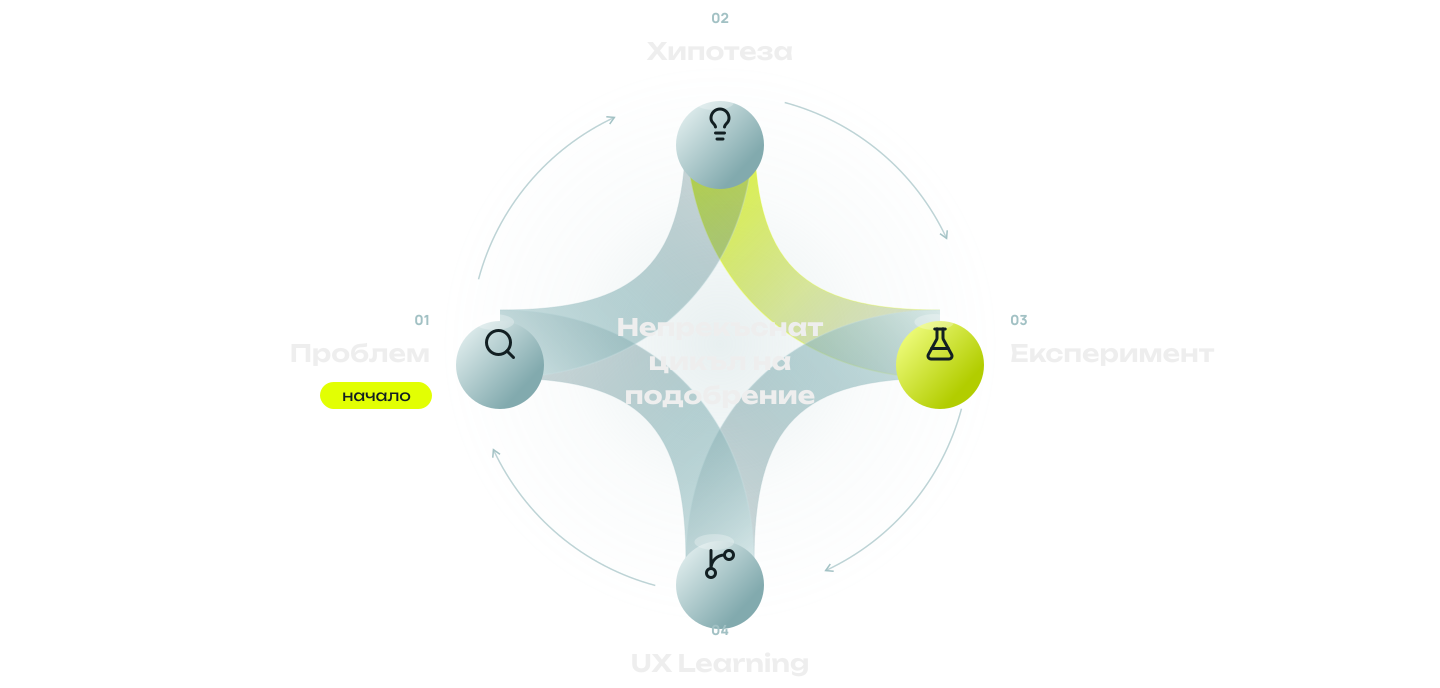
Непрекъснат цикъл на UX Learning и подобрения, базирани на контролирани UX експерименти.
ЕДИН ЕКСПЕРИМЕНТ ОТБЛИЗО
От конкретен въпрос до проверено решение.
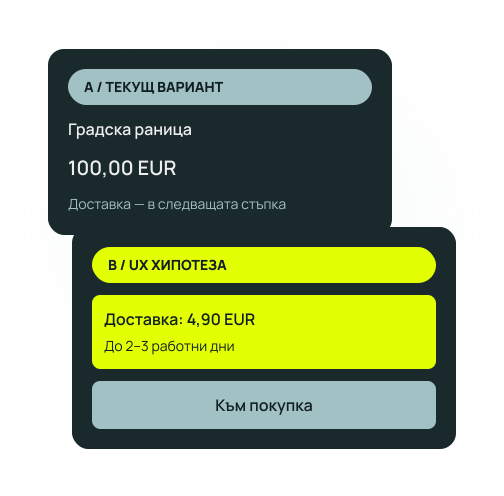
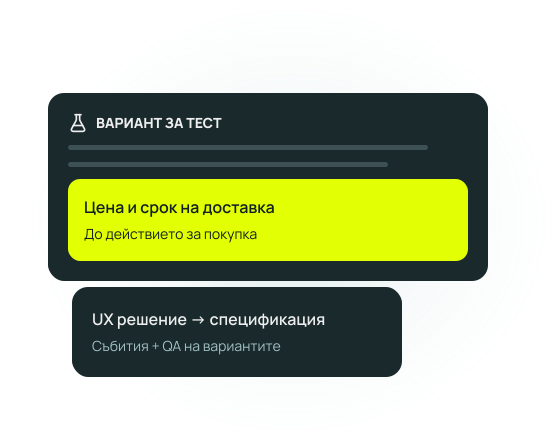
Пример: яснота за цената и срока на доставка. Една хипотеза, измерване по предварителни правила и обосновано решение.
01 / ХИПОТЕЗА
Сигнал и изграждане на хипотеза
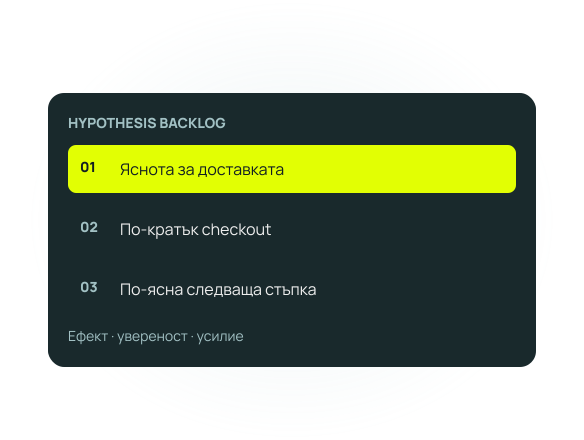
Проверяваме дали късно показаните условия за доставка допринасят за отпадането. Хипотеза: ясни условия до бутона за покупка помагат за завършването ѝ.
02 / ИЗМЕРВАНЕ
KPI & Guardrails
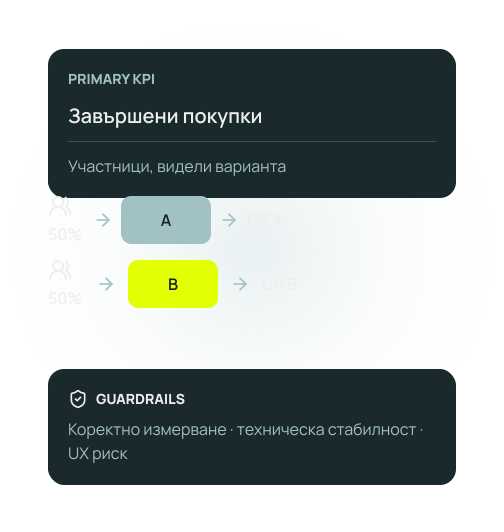
Измерваме дела участници, които завършват покупка. Преди старта определяме основната метрика, контролните показатели и критерия за успех.
03 / РЕШЕНИЕ
Decision making
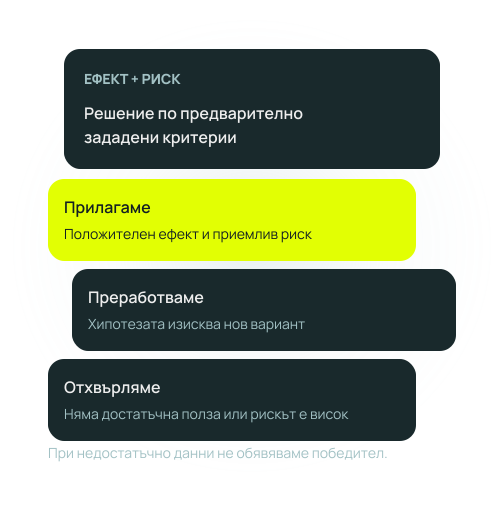
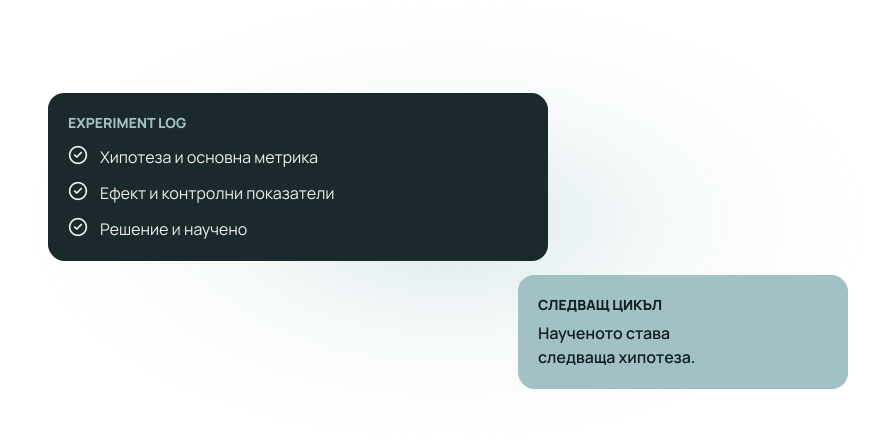
Сравняваме ефекта и риска след договорения период и обем данни. Прилагаме, преработваме или отхвърляме промяната.
ИЛЮСТРАТИВЕН ЕКСПЕРИМЕНТ
Схемата показва начина на работа. Не представя резултати от проведен клиентски тест. Критериите и контролните показатели се уточняват преди старта.
Как стигаме до доказателство.
Първоначални доказателства
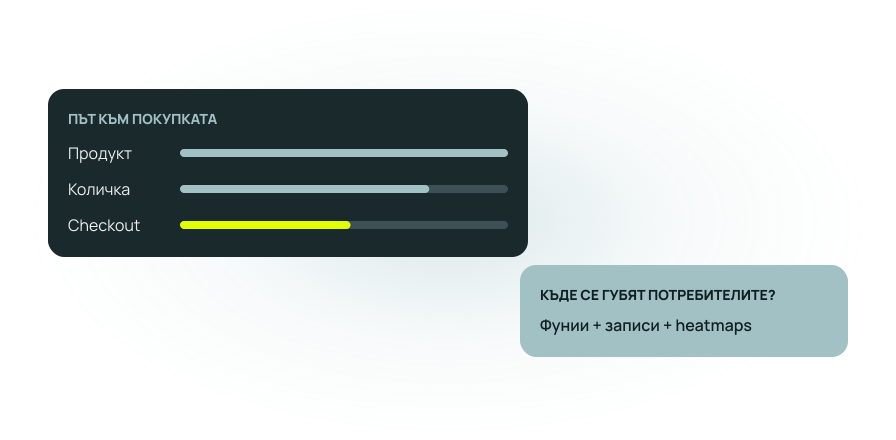
Записи на сесии и heatmaps показват къде възниква колебанието. Проверяваме поведението около доставката и го съпоставяме с отпадането във фунията.
КАКВО ТЪРСИМ
Връщане назад, търсене на условията за доставка и излизане преди покупка.
КАК ГО ИЗПОЛЗВАМЕ
Наблюдението става конкретна хипотеза за показване на цена и срок до CTA.
Google Analytics 4
Проследими резултати по вариант
Свързваме излагането на A или B с действията до покупката чрез experiment_id и variant_id. Сравняваме конверсията за еднаква аудитория и предварително определен прозорец.
ПЛАН ЗА ПРОСЛЕДЯВАНЕ
experiment_exposure
add_to_cart
begin_checkout
purchase
QA преди старта: събития, разпределение и коректно отчитане на вариантите.
РИТЪМЪТ НА РАБОТА
Ясен процес. Следваща стъпка след всеки експеримент.
Резултатът от всеки етап, отговорникът и връзката към следващия цикъл са част от един общ процес.
ПОДГОТОВКА → ИЗМЕРВАНЕ → РЕШЕНИЕ
ЕТАП
ОТГОВОРНИК / OWNER
РЕЗУЛТАТ ОТ ЕТАПА
01 Диагностика
Данни и поведение
ОТГОВОРНИК / OWNER
Crocodile
Конкретен проблем
02 Приоритизиране
Хипотеза, KPI и критерии
ОТГОВОРНИК / OWNER
Crocodile
План за експеримента
03 Дизайн и реализация
UX вариант и проследяване
ОТГОВОРНИК / OWNER
Crocodile + технически екип
Готов вариант за тест
04 Експеримент
Измерване в реална среда
ОТГОВОРНИК / OWNER
Crocodile + технически екип
Променлив период
Събираме данни
05 Анализ и решение
Оценка и документиране
ОТГОВОРНИК / OWNER
Crocodile
Прилагаме, преработваме или отхвърляме
Следващ цикъл: решението връща наученото към хипотезите.
СХЕМАТИЧЕН ТАЙМЛАЙН
Събирането на данни зависи от трафика, конверсиите и необходимата извадка. Таймлайнът е схематичен, без обещан календарен срок.
ЕКСПЕРТИЗА И УСЛУГИ
От откриването на проблема до решението как да продължим.
Самостоятелни услуги или като част от crocodile. Избираме дейностите според проблема и състоянието на продукта.
01 / ДОКАЗАТЕЛСТВА
Диагностика и анализ
UX одит · Поведенчески анализ · Фунии и анализ на отпадане · Записи на сесии и heatmaps · Анализ на данни
02 / ПРИОРИТЕТИ
Стратегия и приоритизиране
UX консултиране · Хипотези и hypothesis backlog · Приоритизиране · Определяне на KPI
03 / UX РЕШЕНИЯ
Дизайн и подготовка на тестове
UX/UI решения и прототипи · Тестови варианти и план за измерване · Спецификация на събитията · Координация с техническия екип
04 / УЧЕНЕ И РАЗВИТИЕ
Експериментиране и развитие
Планиране на експерименти · Проследяване и анализ на резултатите · Препоръки и документиране · Следващи стъпки